

PRE-INSPECTION
Before we tune ANY car, we do a complete diagnosis of the engine and all of its sub-systems when the work is not performed by us. This way, we do not waste your money and our time. We simply will not tune a car unless it is mechanically perfect. Here are some things we check before tuning:
- Cooling system
- Fuel system (especially when new modifications are made)
- Injector sizes
- Charge system (intercooler pipes, vacuum hoses, etc.)
- Belts
- Fluid leaks
CHOOSING YOUR TUNER
Because we are located in Reno, Nevada, we realize that we cannot tune everybody’s cars. Although we do fly out and tune, prepare, and adjust cars all over the world, we realize that this doesn’t fit everybody’s budget. If you’re interested in flying us out and having us prepare your car or you want to ship your car to us, please call our office and ask for Frank Siharath, Special Projects Engineer. For normal tuning questions, our sales staff can assist you. This page is here to help you clear up any misunderstandings and to understand some factors of tuning.
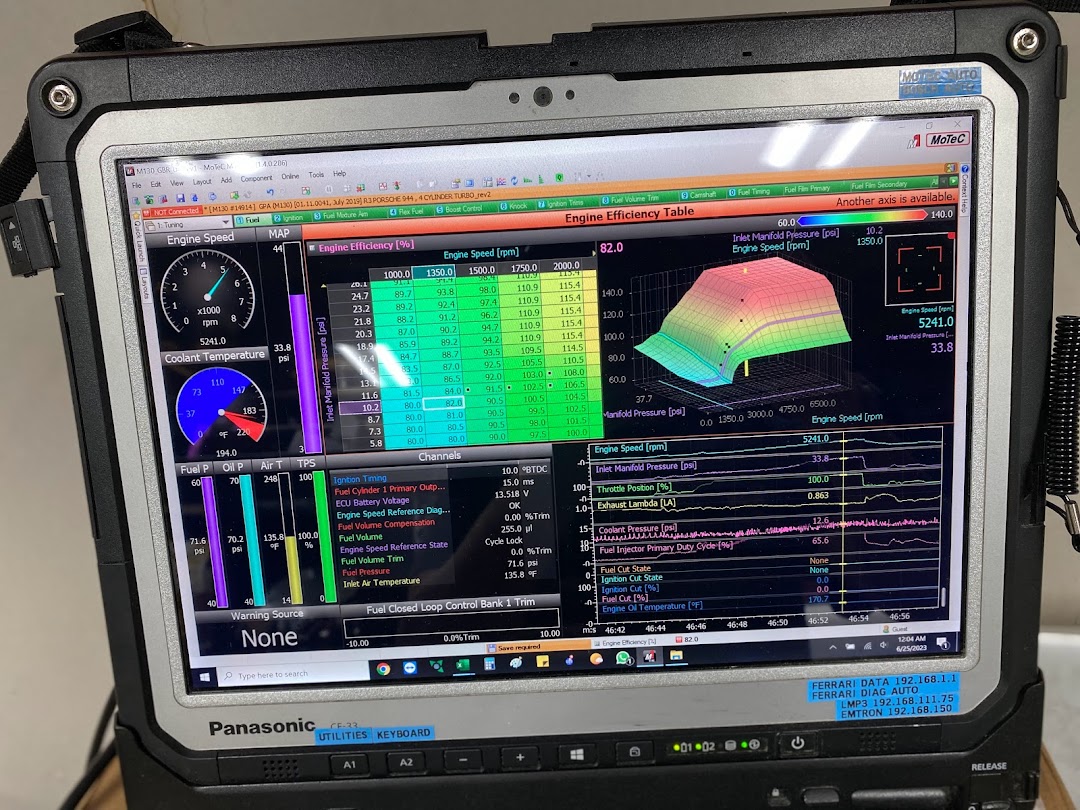
ignition timing
Timing demands vary from engine to engine and once again, the purpose that the car will be used for. Once again, every engine has its “sweet spot” that is determined once again by the same factors listed above. The type of fuel being used also has a huge affect on the maximum allowable timing of an engine.
AIR FUEL RATIO
Depending on what purpose you will be using your car for, we adjust your A/F ratios accordingly. For example, if you use your car for drag racing, we would set the A/F ratios differently for than a car designed for top speed racing (i.e. Bonnevile, El Mirage, etc.). Every engine has its own A/F Ratio demands and there are numerous factors that determine the engine’s “sweet spot”. These include:
- Combustion chamber design
- Intake and exhaust manifold design
- Head design and camshaft profiles
- Type of fuel being used (i.e. pump gas, various race gases, methanol, etc.)
- Turbo sizing and boost level
- Compression ratio
- Engine Speed “RPM”
race fuel
Have you ever looked in a magazine and wondered why a car with your similar setup makes so much damn horsepower? In America, the answer is RACE GAS. Magazines often fail to mention that those horsepower numbers are made on race gas and are tuned on the edge. This kind of tuning is popular in drag racing, where engines are tuned to the razor’s edge. Lean A/F Ratios and advanced ignition timing are possible on 118 octane race fuel or methanol for short durations in time. Race fuel can often allow a properly prepared engine to make up to an additional 300+ hp from increases is boost pressure, timing, etc. Before judging the results of your tuner, you should take this into consideration.
drivabilty
Drivability is one of the most time consuming parts of tuning. Some race car tuners ignore drivability, but we believe that drivability is even important for a race car. On a street car, drivability is critical. Idle, off idle, cruise, injector staging (if used), throttle transients, and all of these factors with the A/C on or with electrical load are some factors that require a lot of time to perfect on a street driven car. After tuning, although your car may drive smoothly, it doesn’t mean that everything is set optimal. It is difficult to obtain good drivability with minimal fuel consumption. When it comes to drivability tuning, WHAT YOU PAY FOR IS WHAT YOU GET, at least in most cases. Drivability is so time consuming, that many tuners just do a rough job of it. If you demand perfect drivability, be prepared for the bill from your tuner.
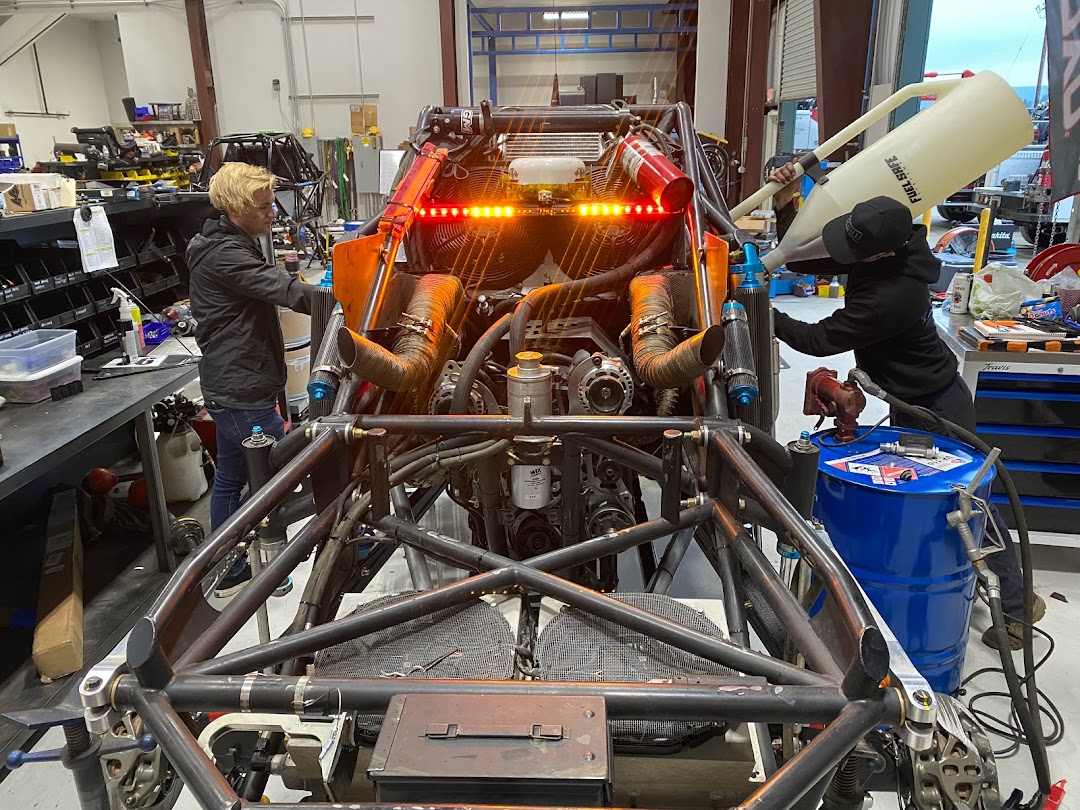
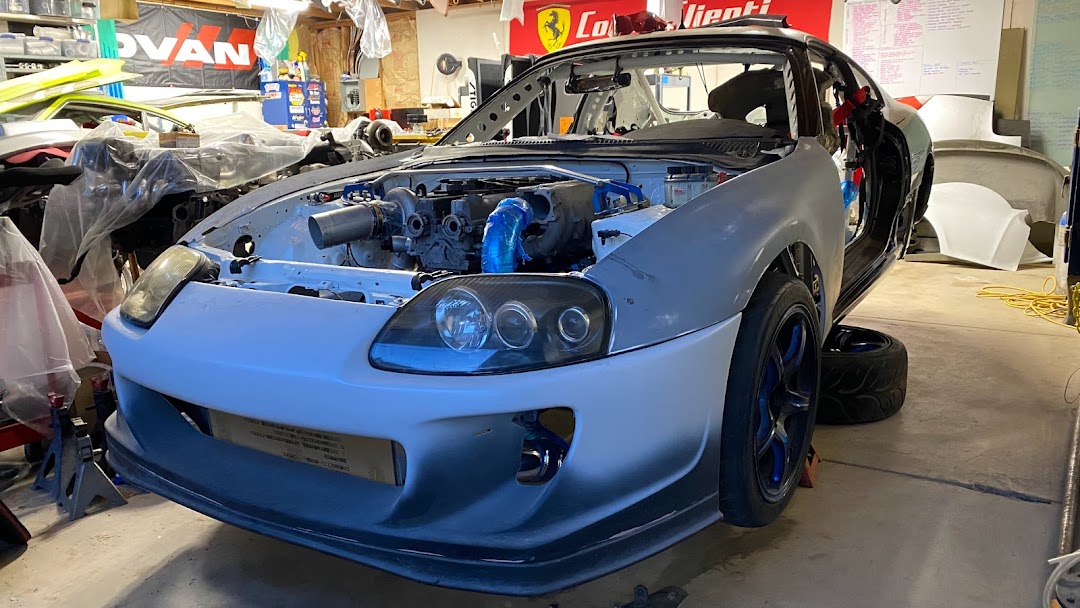
pieced together cars
Because the Internet is a great place to learn about a car, many people piece together their vehicles by reading about parts on the internet. Internet forums are a great place to learn about your car, but don’t forget that much of the information found on forums are not usually scientific and therefore not always accurate.
Racetune Engineering and several other tuners around the country use professional equipment to examine the performance of a part and therefore, we are able to scientifically discover which parts work and which parts don’t work so well. If you are looking for MAXIMUM performance from your car, we would strongly suggest sticking to one tuner for ALL of your parts. Experienced tuners know which combinations work and which do not. When people come to us for tuning, we often have to tell customers to change parts because they are using the wrong combination of parts. The money that customers thought they saved by buying parts from the internet, now have to be spent on buying the proper parts. Think of the engine like a symphony. If one or two instruments are off key, the symphony doesn’t sound right. It’s the same thing with an engine: if one or two parts aren’t working in harmony with everything else, it will not perform optimally. In our experience, cars put together at home will not make as much power.